Definition
- The conventional definition: self-employment — a business you run yourself (typically including one-person corporations)
- My definition: “Running my own business” means using my time freely and earning in proportion to what I put in.
My Business Experience
A while back, I left my job and founded an AI startup with a talented friend of mine. We’d raised seed funding, so as CTO I was able to dive straight into designing and building the product, and we ran the company for over a year.
What I loved most about that time were the many different flavors of “freedom” I got to taste in all sorts of situations.
I wrote down everything I’d enjoyed, and three common patterns surfaced.
A: ⟨Freedom over my own time⟩
B: ⟨Autonomy: freedom to make my own decisions⟩
C: ⟨With great freedom comes great responsibility⟩
A: Coming in to work anywhere between 9 and 10 AM
A: Being able to work from home when something urgent came up (our baby had just been born)
B: Acting on new hypotheses and ideas the moment they came to me (short cycles, many attempts)
A: Clocking out at 5 PM sharp → evenings spent with my family
A: Unhurried walks at lunchtime
B: Because I worked on my own ideas and my own terms, I didn’t carry the worries home after hours
C: A livable salary (thanks to the seed investment)

Conclusion
Running my own business is my next goal.
So, What1?: Finding a goal that meets all of these conditions
A: ⟨Freedom over my own time⟩
=> Not being tied to any particular work format (remote, on-site, abroad, outside the city, day or night)
B: ⟨Autonomy: freedom to make my own decisions⟩
=> Executing new ideas on my own terms
=> Trying fast, failing fast
=> Even after one strategy works, I want to keep building more.
C: ⟨With great freedom comes great responsibility⟩
=> I have to be able to make a living. (At least 4 million won a month.)
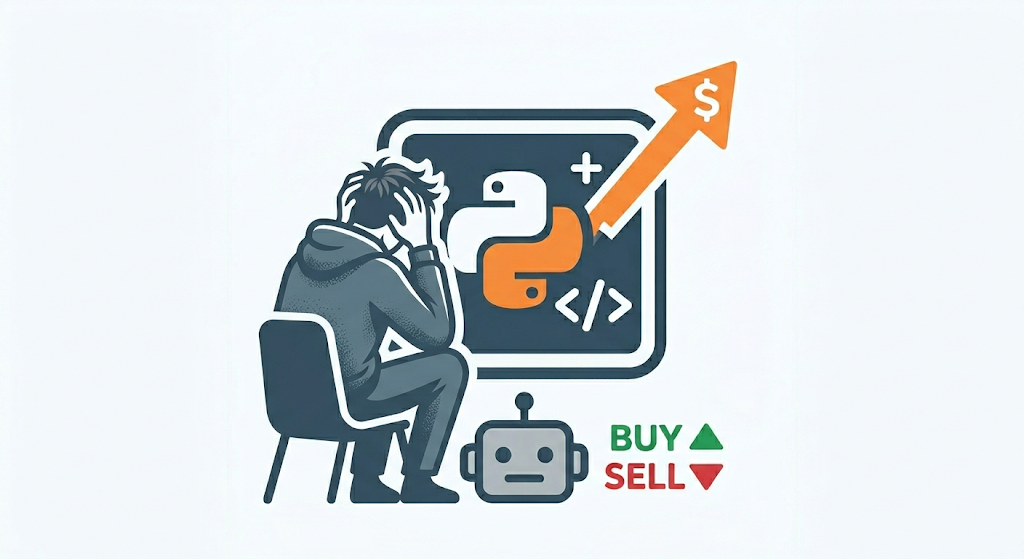
And that, for me, is quantitative trading.
(+) It also gives me the kind of numbers-driven, structured-output improvement loops I naturally gravitate toward.
#Statistics #Data
I’ve toyed with plenty of other ideas — building 100 apps, for instance — but nothing else fits the way quant does.
댓글